The Importance of Inclusive Education for Children with Disabilities in Africa
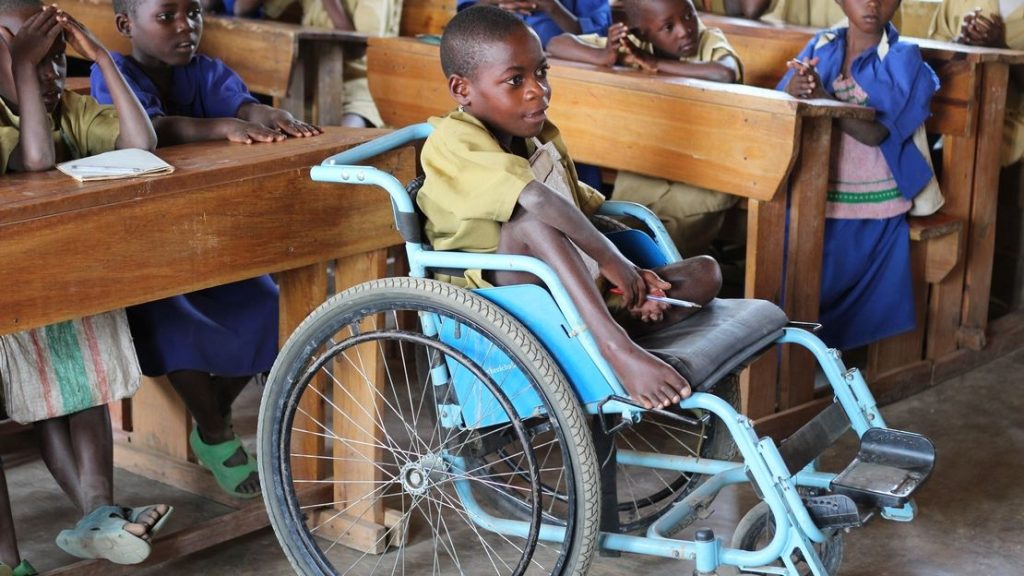
Introduction Education is a fundamental right and a key driver of social and economic development. However, children with disabilities in Africa continue to face systemic barriers that hinder their access to quality education. According to UNICEF, nearly 33 million children with disabilities worldwide are out of school, with a significant portion residing in sub-Saharan Africa. Inclusive education ensures that all children, regardless of their physical or cognitive abilities, receive equal learning opportunities in mainstream educational settings. The Concept of Inclusive Education Inclusive education is a system where students with disabilities learn alongside their peers in a supportive environment. This approach moves away from segregated special education models and instead integrates all learners within the same classrooms, ensuring appropriate support mechanisms are in place. The United Nations Convention on the Rights of Persons with Disabilities (CRPD) emphasizes inclusive education as a fundamental right, reinforcing the need for policies that promote accessibility and equal participation. Barriers to Inclusive Education in Africa Despite international frameworks supporting inclusive education, children with disabilities in Africa face multiple challenges: 1. Inadequate Infrastructure and Accessibility Many schools lack the necessary infrastructure, such as ramps, braille learning materials, sign language interpreters, and adaptive furniture. The World Bank reports that only 5-10% of children with disabilities in Africa have access to adequate learning facilities. 2. Limited Teacher Training and Resources A study by Human Rights Watch found that most African teachers have not received specialized training in inclusive teaching methods. Without adequate training, educators struggle to accommodate students with diverse learning needs. 3. Economic Constraints The cost of assistive devices, specialized teaching materials, and transportation can be prohibitively expensive for families. According to UNESCO, children with disabilities are twice as likely to have never attended school compared to their peers without disabilities. 4. Cultural and Social Stigma In many African societies, disability is still misunderstood, leading to discrimination and exclusion. Some families may choose not to send their children with disabilities to school due to fear of stigma. The Benefits of Inclusive Education Implementing inclusive education yields significant benefits for individuals, communities, and national economies: 1. Improved Academic Outcomes Studies show that children with disabilities perform better academically in inclusive settings compared to segregated ones. Adaptive teaching strategies benefit all students, fostering a more effective learning environment. 2. Economic Growth and Workforce Inclusion By investing in inclusive education, African nations can unlock the potential of millions of young people, reducing dependency and increasing contributions to the labor force. The International Labour Organization (ILO) estimates that excluding persons with disabilities from education and employment costs economies up to 7% of GDP. 3. Strengthened Social Cohesion Inclusive education promotes diversity and tolerance. By learning together, children develop empathy, collaboration skills, and a broader understanding of societal challenges. The Role of Governments, NGOs, and Private Sector Ensuring inclusive education requires a collaborative approach: Policy Implementation – Governments must enforce inclusive education laws, allocate funding, and provide the necessary infrastructure. Teacher Training Programs – Investing in specialized training ensures educators are equipped to handle diverse classrooms. Public-Private Partnerships – Companies, NGOs, and real estate developers like Cities and Habitats can contribute by designing disability-friendly educational facilities and supporting technology-driven learning solutions. Conclusion Inclusive education is not just a moral obligation but an economic and social imperative. African governments, stakeholders, and the private sector must prioritize accessibility, teacher training, and policy implementation to bridge the educational gap. By fostering an inclusive learning environment, Africa can harness the potential of every child, ensuring a more equitable and prosperous future. Would you like any additional data points or refinements to align this with Cities and Habitats’ initiatives?
The Future of Education: Digital Classrooms vs. Traditional Learning

Education is evolving rapidly, and with the rise of technology, digital classrooms are becoming a major part of learning. However, traditional learning methods still hold great value. As an organization dedicated to improving education, READ Foundation aims to explore the impact of both approaches and how they shape the future of learning in Ghana. Traditional Learning: The Strength of Face-to-Face Education For generations, traditional classrooms have been the foundation of education. Students gather in physical classrooms, interact with teachers, and engage in structured learning. Some key advantages of this model include: Direct Teacher-Student Interaction: Teachers can provide real-time guidance, assess students’ understanding, and offer immediate feedback. Social Skills Development: In-person learning fosters teamwork, collaboration, and communication among students. Structured Learning Environment: A set schedule helps students stay disciplined and focused on their studies. However, traditional learning has challenges, such as limited access to quality education in rural areas, high costs of infrastructure, and the inability to personalize learning for each student. Digital Classrooms: Expanding Access to Education Technology has introduced new ways of learning, making education more accessible than ever. Digital classrooms use online platforms, mobile apps, and virtual resources to teach students. The benefits of digital learning include: Greater Accessibility: Students from remote areas can access quality education without traveling long distances. Flexible Learning: Learners can study at their own pace, making education more inclusive. Cost-Effective Solutions: Digital resources reduce expenses on textbooks and infrastructure, making education more affordable. Interactive Learning Methods: Videos, simulations, and gamified lessons make learning more engaging and effective. Despite these benefits, digital learning comes with challenges. Many students in Ghana still lack internet access, reliable devices, and digital literacy skills, making it difficult to fully embrace online education. The Future: A Blended Learning Approach Instead of choosing between digital and traditional education, the future lies in a hybrid approach that combines both methods. A blended learning model can: Offer in-person support while integrating online resources for self-paced study. Use technology to personalize learning, ensuring that students receive lessons tailored to their needs. Provide teacher training in digital tools to enhance classroom instruction. Expand education to underserved communities through mobile and low-cost digital solutions. Conclusion At READ Foundation, we believe that the future of education in Ghana depends on innovation and inclusivity. By combining the strengths of traditional and digital classrooms, we can create an education system that is accessible, effective, and future-ready. Investing in digital infrastructure, training educators, and ensuring equal opportunities for all students will be key to shaping the next generation of learners. Do you think Ghana’s education system is ready for a digital transformation? Share your thoughts!