Why Education Should Be a Basic Right, Not a Privilege
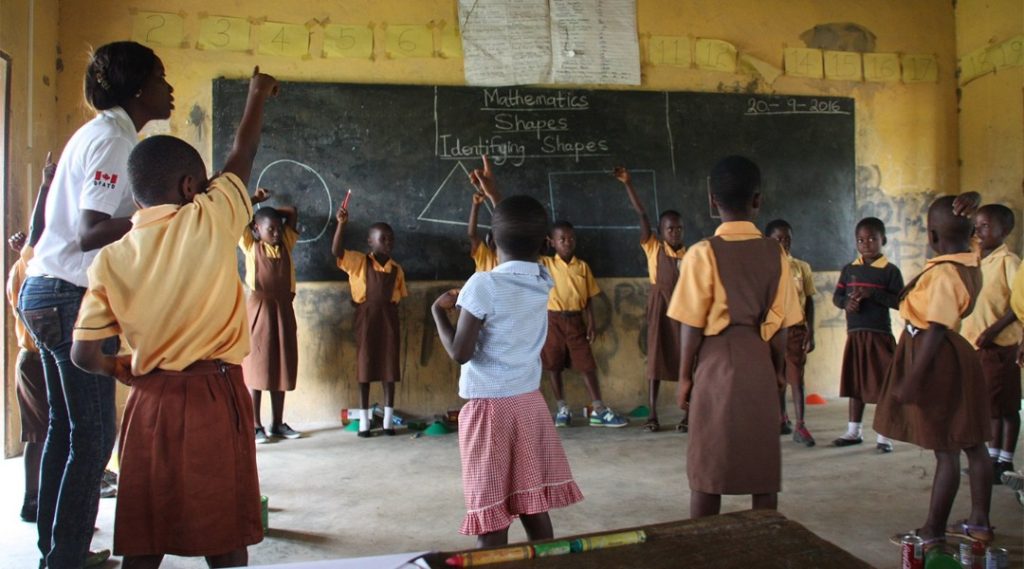
Education is the foundation of progress, innovation, and equality. It shapes societies, empowers individuals, and fuels economic growth. Yet, millions of children worldwide still lack access to quality education due to poverty, lack of resources, and systemic inequalities. Should education be a privilege only for those who can afford it, or should it be a fundamental right for every child? The answer is clear—education must be a basic right, not a privilege. The Power of Education Education is more than just acquiring knowledge; it is a powerful tool that transforms lives. Here’s why: 1. Breaks the Cycle of Poverty 2. Empowers Individuals and Communities 3. Reduces Inequality and Promotes Gender Equality 4. Prepares the Workforce for the Future Challenges to Universal Education Despite the clear benefits of education, millions of children remain out of school due to:🚫 Poverty – Many families cannot afford school fees, uniforms, or transportation.🚫 Lack of Infrastructure – Rural areas often lack schools, teachers, and learning materials.🚫 Conflict & Displacement – Wars and crises force children to drop out and disrupt their education.🚫 Cultural Barriers – In some societies, education is not prioritized for girls or marginalized groups. How READ Foundation is Making a Difference At READ Foundation, we believe every child deserves access to quality education, regardless of their background. Our initiatives include: Conclusion: Education is a Human Right Education is not a luxury—it is a fundamental human right. Every child, regardless of their circumstances, deserves the opportunity to learn, grow, and achieve their full potential. By investing in education, we invest in a brighter future for individuals, communities, and the world.
The Future of Education in Africa: Challenges and Solutions
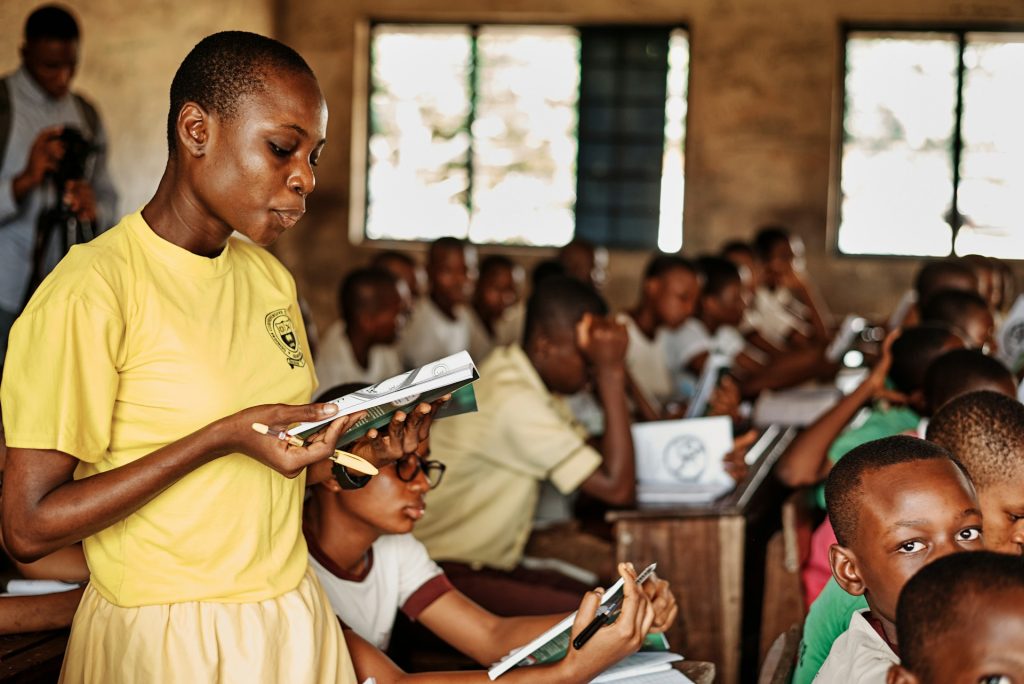
Education is a powerful tool for development, yet millions of children across Africa still struggle to access quality learning opportunities. As the continent’s population continues to grow, ensuring inclusive and effective education systems is more critical than ever. While there are significant challenges, innovative solutions are paving the way for a brighter future. Key Challenges Facing Education in Africa 1. Limited Access to Schools Many children, particularly in rural areas, lack access to nearby schools. Long travel distances, poor road networks, and inadequate school infrastructure make it difficult for students to attend classes consistently. 2. Poor Learning Resources and Infrastructure Many schools operate with overcrowded classrooms, outdated textbooks, and insufficient teaching materials. Limited access to electricity and digital tools further hinders effective learning, leaving students at a disadvantage. 3. Teacher Shortages and Training Gaps A shortage of qualified teachers remains a major obstacle. Many educators lack proper training, and those in rural areas often work in difficult conditions with limited professional development opportunities. Low salaries also contribute to high turnover rates among teachers. 4. The Digital Divide While technology has revolutionized education worldwide, many African students do not have access to digital learning resources. Poor internet connectivity, expensive devices, and unreliable electricity prevent the widespread adoption of e-learning solutions. 5. Financial and Social Barriers High poverty rates make education unaffordable for many families. Costs associated with school fees, uniforms, and supplies force many children, especially girls, to drop out. Additionally, cultural norms and early marriages further limit educational opportunities for girls in some regions. Solutions for a Stronger Education System 1. Expanding School Infrastructure Governments and organizations should invest in building more schools, especially in remote areas. Mobile learning centers and community-driven education initiatives can help bring learning closer to students. 2. Leveraging Technology for Learning E-learning platforms, mobile education apps, and digital libraries can provide access to quality education. Affordable internet and solar-powered digital classrooms can help bridge the gap in areas with limited electricity. 3. Investing in Teacher Training Strengthening teacher training programs and providing incentives for educators, especially in rural areas, can improve the quality of instruction. Continuous professional development opportunities can also enhance teaching effectiveness. 4. Making Education More Affordable Policies such as free primary education, scholarships, and school feeding programs can reduce financial barriers and increase school attendance. Additionally, targeted support for girls can help close the gender gap in education. 5. Encouraging Public-Private Partnerships Collaboration between governments, private organizations, and NGOs can drive innovative solutions. Funding, technology support, and community engagement programs can create a more sustainable education system. Conclusion Africa’s education system holds the key to unlocking the continent’s full potential. By addressing systemic challenges and embracing innovative solutions, Africa can equip its youth with the skills and knowledge needed to drive economic and social development. The future of education in Africa depends on collective action, policy reforms, and investments that prioritize quality and accessibility. 🔗 Learn more about how READ Foundation is driving change: https://readfoundation.global/ #EducationForAll #FutureOfEducation #Africa #READFoundation #EdTech
The Future of Education: Digital Classrooms vs. Traditional Learning

Education is evolving rapidly, and with the rise of technology, digital classrooms are becoming a major part of learning. However, traditional learning methods still hold great value. As an organization dedicated to improving education, READ Foundation aims to explore the impact of both approaches and how they shape the future of learning in Ghana. Traditional Learning: The Strength of Face-to-Face Education For generations, traditional classrooms have been the foundation of education. Students gather in physical classrooms, interact with teachers, and engage in structured learning. Some key advantages of this model include: Direct Teacher-Student Interaction: Teachers can provide real-time guidance, assess students’ understanding, and offer immediate feedback. Social Skills Development: In-person learning fosters teamwork, collaboration, and communication among students. Structured Learning Environment: A set schedule helps students stay disciplined and focused on their studies. However, traditional learning has challenges, such as limited access to quality education in rural areas, high costs of infrastructure, and the inability to personalize learning for each student. Digital Classrooms: Expanding Access to Education Technology has introduced new ways of learning, making education more accessible than ever. Digital classrooms use online platforms, mobile apps, and virtual resources to teach students. The benefits of digital learning include: Greater Accessibility: Students from remote areas can access quality education without traveling long distances. Flexible Learning: Learners can study at their own pace, making education more inclusive. Cost-Effective Solutions: Digital resources reduce expenses on textbooks and infrastructure, making education more affordable. Interactive Learning Methods: Videos, simulations, and gamified lessons make learning more engaging and effective. Despite these benefits, digital learning comes with challenges. Many students in Ghana still lack internet access, reliable devices, and digital literacy skills, making it difficult to fully embrace online education. The Future: A Blended Learning Approach Instead of choosing between digital and traditional education, the future lies in a hybrid approach that combines both methods. A blended learning model can: Offer in-person support while integrating online resources for self-paced study. Use technology to personalize learning, ensuring that students receive lessons tailored to their needs. Provide teacher training in digital tools to enhance classroom instruction. Expand education to underserved communities through mobile and low-cost digital solutions. Conclusion At READ Foundation, we believe that the future of education in Ghana depends on innovation and inclusivity. By combining the strengths of traditional and digital classrooms, we can create an education system that is accessible, effective, and future-ready. Investing in digital infrastructure, training educators, and ensuring equal opportunities for all students will be key to shaping the next generation of learners. Do you think Ghana’s education system is ready for a digital transformation? Share your thoughts!
8 Key Benefits of Education That Extend Beyond the Classroom
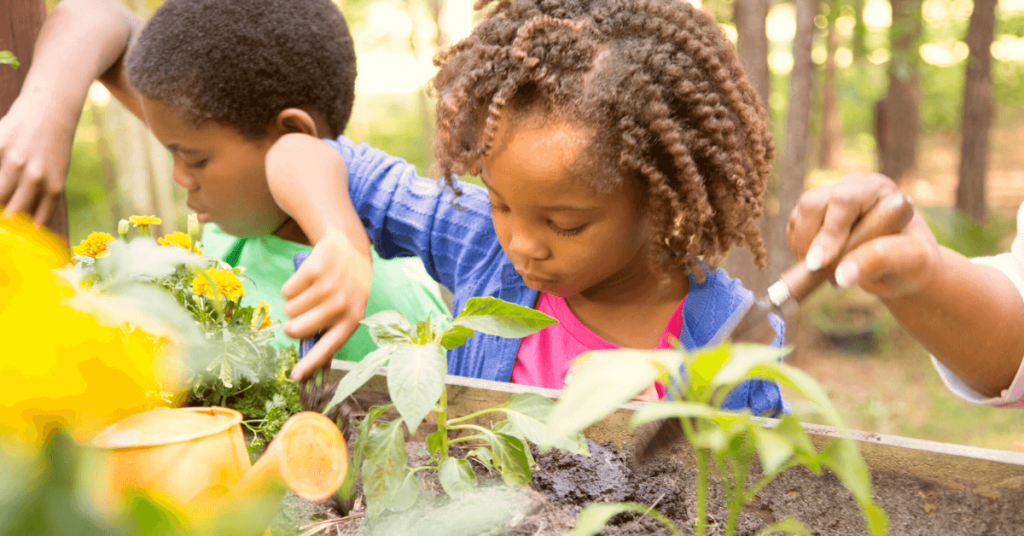
Education is more than just academics—it shapes individuals, societies, and economies. At READ Foundation, we believe in the transformative power of education beyond textbooks and exams. Here are eight key benefits of education that extend far beyond the classroom. 1. Builds Critical Thinking and Problem-Solving Skills Education teaches individuals how to analyze situations, think logically, and make informed decisions. These skills are essential for tackling real-life challenges in both personal and professional settings. 2. Enhances Economic Opportunities A well-educated individual has a better chance of securing higher-paying jobs, improving financial stability, and contributing to economic growth. Education empowers people to break cycles of poverty and achieve long-term success. 3. Promotes Social and Cultural Awareness Education exposes individuals to diverse cultures, histories, and perspectives, fostering tolerance and empathy. This understanding helps in building harmonious and inclusive societies. 4. Improves Health and Well-being Educated individuals tend to have healthier lifestyles, access better healthcare, and make informed choices about nutrition and hygiene. Education is linked to lower child mortality rates and increased life expectancy. 5. Encourages Civic Engagement An educated population is more likely to participate in democratic processes, advocate for human rights, and contribute to community development. Education creates responsible citizens who understand their role in society. 6. Boosts Innovation and Creativity Education nurtures curiosity, creativity, and innovation, leading to advancements in science, technology, and the arts. It equips individuals with the ability to develop new ideas and solutions. 7. Strengthens Emotional Intelligence and Communication Through education, individuals learn how to express themselves clearly, work in teams, and develop emotional intelligence—skills that are crucial for both professional success and personal relationships. 8. Creates Lifelong Learning Opportunities Education is not just for children; it fosters a culture of continuous learning and self-improvement. Whether through formal education, online courses, or self-study, lifelong learning keeps individuals competitive and adaptable in an ever-changing world. Invest in Education, Invest in the Future At READ Foundation, we are committed to making quality education accessible to all, ensuring that its benefits extend beyond the classroom and into communities. Join us in transforming lives through education.
The Role of EdTech in Bridging Educational Gaps in Underserved Areas
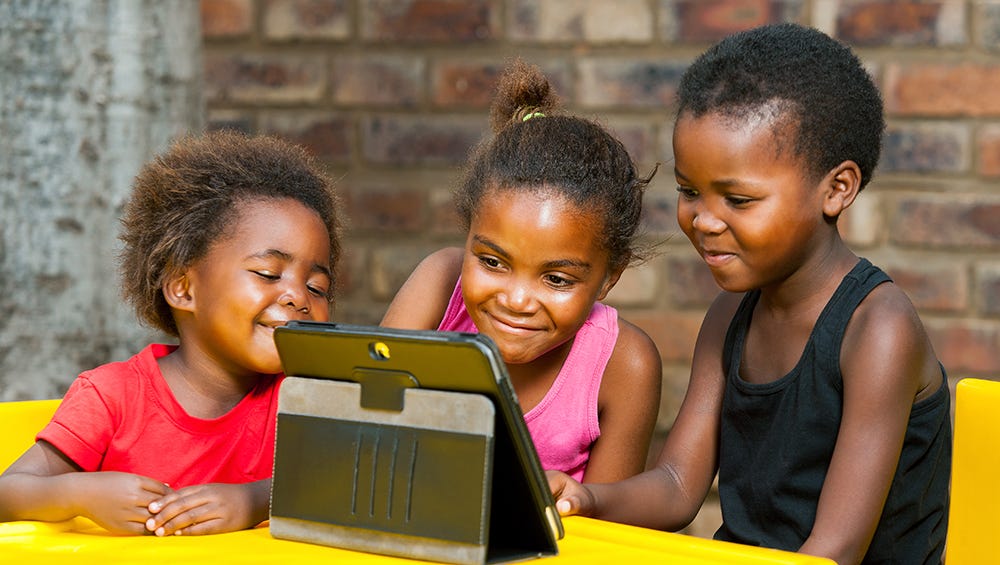
Access to quality education is a fundamental right, yet millions of children in underserved areas are deprived of it due to systemic challenges. In these regions, inadequate infrastructure, limited access to trained teachers, and insufficient learning materials are persistent obstacles. These barriers hinder academic performance and perpetuate cycles of poverty and inequality. However, education technology (EdTech) has emerged as a powerful tool to bridge these gaps, transforming how education is delivered and accessed. Challenges Facing Underserved Areas Underserved areas, particularly in rural regions, often experience several challenges that make education difficult to attain: Shortage of Teachers: Many communities lack qualified educators, resulting in large class sizes and insufficient attention to individual students. Inadequate Learning Resources: Limited access to textbooks, computers, and other educational materials makes it hard for students to keep up with modern learning standards. Poor Infrastructure: A lack of reliable electricity, internet connectivity, and safe learning environments further limits the ability to provide quality education. Geographical Barriers: In remote areas, students often travel long distances to attend school, discouraging consistent attendance. These challenges create a significant divide between students in underserved areas and their peers in more developed regions, making it imperative to find innovative solutions. How EdTech is Closing the Gap EdTech is revolutionizing education by addressing these challenges with scalable and innovative solutions. Here’s how: 1. Expanding Access to Learning Resources Digital platforms provide students with access to a vast library of educational content. Resources such as videos, interactive lessons, and e-books can now be accessed online or downloaded offline. For instance, platforms like Khan Academy and African-focused Eneza Education are equipping students with materials tailored to their needs. 2. Facilitating Remote and Blended Learning With virtual classrooms and mobile learning apps, students in rural areas can learn from top educators around the world. This flexibility allows students to access quality education without geographical constraints. 3. Empowering Teachers EdTech doesn’t just benefit students—it also supports teachers by providing professional development tools and resources. Teacher-focused platforms offer training in modern teaching methods and access to up-to-date materials, enabling educators to deliver better outcomes. 4. Overcoming Language Barriers Many EdTech platforms customize content in local languages, ensuring inclusivity for students from diverse linguistic backgrounds. In Ghana, for example, content localized in native dialects helps students understand complex subjects more easily. 5. Introducing STEM Education EdTech is fostering an interest in science, technology, engineering, and mathematics (STEM) among students in underserved areas. By exposing learners to coding, robotics, and other STEM disciplines, these technologies prepare them for the demands of the digital age. 6. Affordable and Accessible Devices Low-cost devices such as tablets and mobile phones preloaded with educational content are being distributed in underserved areas. These tools ensure that students have access to learning even in areas with limited or no internet connectivity. Overcoming Barriers to EdTech Adoption While EdTech holds great promise, challenges remain. Issues such as unreliable internet connectivity, lack of electricity, and the affordability of devices limit its reach. However, collaborative efforts between governments, NGOs, and the private sector can address these barriers through: READ Foundation’s Commitment to Change At READ Foundation, we are dedicated to leveraging EdTech to transform education in underserved areas. Through partnerships with local communities, government bodies, and technology providers, we aim to make quality education accessible to all. Our initiatives focus on: Conclusion EdTech is a game-changer in addressing educational inequality. By breaking down barriers and making learning accessible, it provides students in underserved areas with the tools they need to succeed. At READ Foundation, we believe that every child, regardless of their location or background, deserves the opportunity to learn, grow, and thrive. The future of education lies in technology, and together, we can ensure that no one is left behind. Join us in our mission to bridge educational gaps and empower the next generation.
The Role of Digital Literacy in Expanding Access to Education in Developing Regions
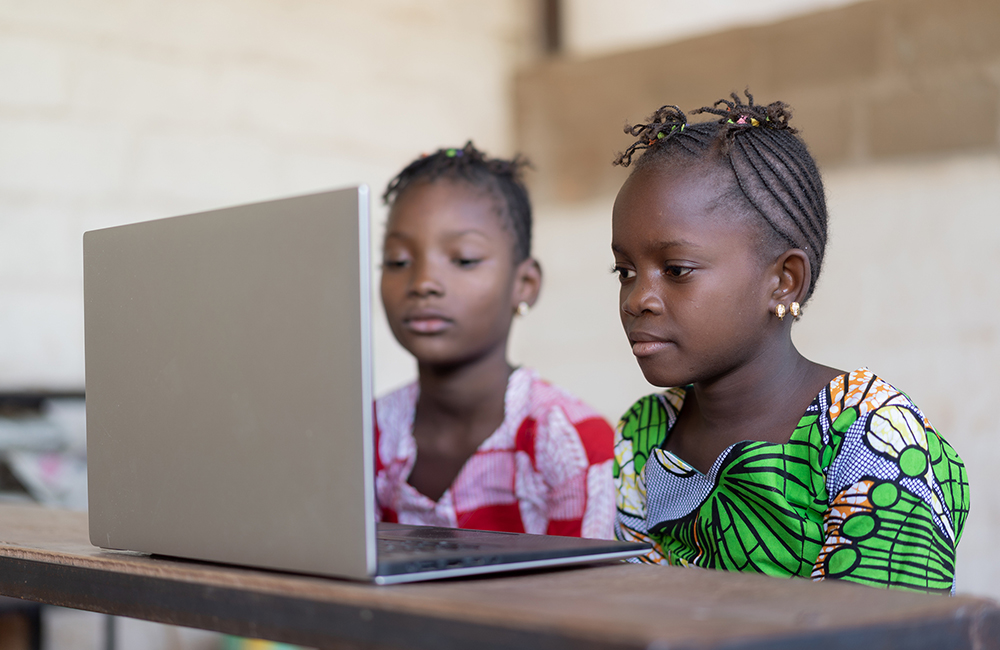
The Role of Digital Literacy in Expanding Access to Education in Developing Regions In today’s interconnected world, digital literacy is no longer a luxury but a necessity. It is a cornerstone for equitable education, especially in developing regions where traditional barriers to learning persist. At Rural Education & Africa Development (READ) Foundation, we recognize the transformative power of digital skills in breaking down these barriers and reshaping the future of education for underserved communities. Bridging the Gap: The Importance of Digital Literacy Digital literacy goes beyond basic computer skills; it is the ability to access, evaluate, and utilize information from digital platforms effectively. In developing regions, this skill can dismantle limitations posed by geography, poverty, and outdated infrastructure. Students in rural areas, for instance, can now access world-class educational resources through online platforms, leveling the playing field for quality education. Empowering Educators and Students One of the greatest challenges in developing regions is the shortage of skilled teachers. Digital tools and online training programs can help bridge this gap, equipping educators with up-to-date knowledge and innovative teaching methodologies. Moreover, students can use digital platforms to learn at their own pace, fostering independent thought and self-directed learning. Addressing Challenges While digital literacy holds immense promise, its adoption in developing regions is hindered by several factors: Limited Access to Technology: Many communities lack access to computers, smartphones, or internet connectivity. High Cost of Digital Tools: For low-income families, the cost of digital devices and data can be prohibitive. Lack of Digital Education: Many schools lack the resources or curricula to teach digital literacy. At READ Foundation, we tackle these challenges head-on. Through our initiatives, we provide digital tools, training, and resources to empower communities to harness the potential of digital technology. A Path to Sustainable Development Digital literacy is not just an educational tool but a catalyst for economic growth and social mobility. It enables individuals to acquire skills needed in a digital economy, promotes entrepreneurial opportunities, and ensures no one is left behind in the global knowledge race. As we continue to expand our reach, Rural Education & Africa Development (READ) Foundation remains committed to empowering communities through digital literacy, ensuring that every child has the opportunity to learn, grow, and thrive in the 21st century. Together, we can build a future where education is truly accessible to all.
The Role of Non-Governmental Organizations in Achieving Global Education Goals
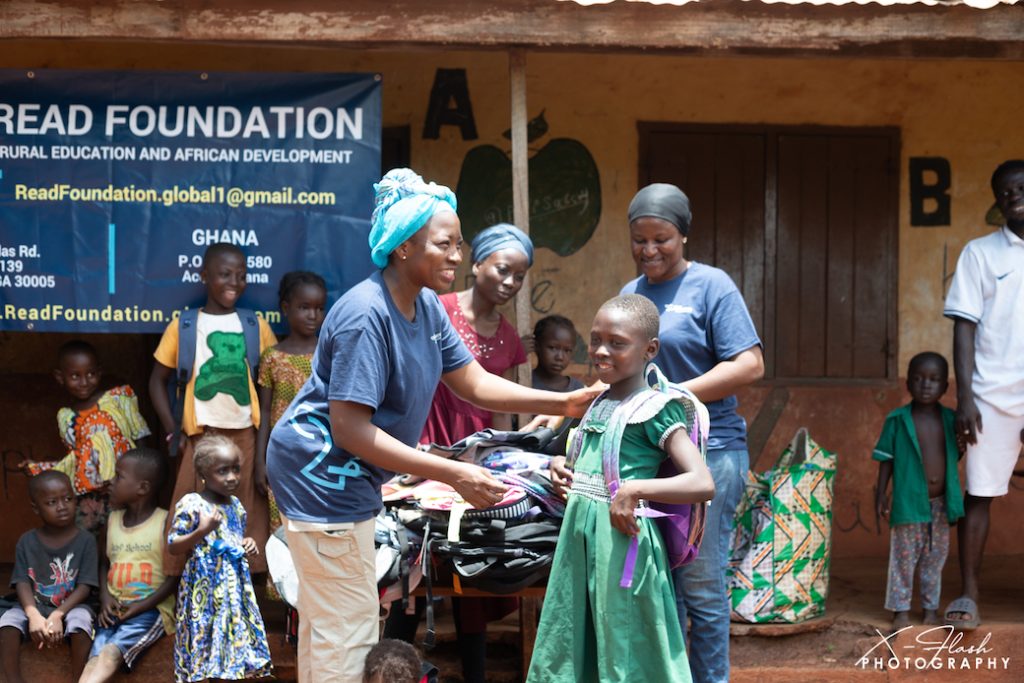
Education is universally recognized as a fundamental human right, essential for the development of individuals, societies, and nations. The United Nations Sustainable Development Goal 4 (SDG 4) aims to ensure inclusive and equitable quality education and promote lifelong learning opportunities for all by 2030. While national governments play a pivotal role in this mission, non-governmental organizations (NGOs) such as READ Foundation have increasingly become instrumental in advancing these goals, especially in underserved and disadvantaged regions. Addressing Educational Disparities In many parts of the world, particularly in low-income countries and conflict zones, access to quality education remains a significant challenge. According to UNESCO, around 258 million children and youth were out of school in 2018, with the majority residing in Sub-Saharan Africa and South Asia. In these regions, factors such as poverty, conflict, gender inequality, and lack of infrastructure make it nearly impossible for children to receive a proper education. NGOs like READ Foundation have stepped in to fill these gaps by providing educational opportunities that governments are unable to reach. READ Foundation’s approach includes building schools in remote areas, offering scholarships to disadvantaged children, and providing teacher training programs to improve educational quality. By focusing on the most marginalized, including girls, refugees, and children with disabilities, READ Foundation addresses the educational disparities that persist across the globe. Innovative Educational Models One of the significant contributions of NGOs to the global education landscape is the development and implementation of innovative educational models. Traditional education systems are often not equipped to cater to the needs of marginalized children, especially in areas with limited resources. NGOs like READ Foundation introduce new approaches, such as mobile classrooms, e-learning, and community-based education models, which are more adaptable to local contexts. For instance, READ Foundation’s use of digital platforms to provide education to children in rural or conflict-affected areas is a prime example of an innovative approach. These digital learning platforms help overcome geographical barriers and provide children with access to quality resources, regardless of their location. Additionally, READ Foundation has implemented mobile schools in refugee camps to ensure that displaced children continue their education. Advocacy and Policy Influence Beyond direct educational interventions, NGOs also play a vital role in advocating for policy changes that align with the global education agenda. Through partnerships with governments, international bodies, and civil society organizations, NGOs influence education policy at both national and global levels. READ Foundation, for example, engages with policymakers to advocate for education reforms, particularly in countries where children’s right to education is compromised. This advocacy extends to influencing global education policies, such as the Education Cannot Wait initiative, which aims to provide education in emergencies, and the Global Partnership for Education, which works with governments to implement education policies that align with SDG 4. Sustainable Development and Long-Term Impact The impact of NGOs in education is not only measured by the number of children they reach in the short term but also by their long-term contribution to sustainable development. By investing in education, NGOs are contributing to broader development goals, such as poverty reduction, gender equality, and health improvement. Educated individuals are more likely to contribute to economic growth, make informed decisions, and improve their communities’ overall well-being. READ Foundation’s efforts to integrate sustainable development into its education programs demonstrate how NGOs can contribute to building resilient, self-sufficient communities. For instance, by providing vocational training alongside traditional education, the foundation empowers students with skills that are relevant to the job market and the local economy. These efforts ensure that the impact of education extends beyond the classroom, creating lasting change for individuals and their communities. Conclusion The role of NGOs in achieving global education goals cannot be overstated. Organizations like READ Foundation play a critical role in addressing educational inequalities, developing innovative solutions, advocating for policy changes, and contributing to sustainable development. Their efforts complement the work of governments and international organizations in building a more inclusive, equitable, and prosperous future for all. As the global community continues to work toward achieving SDG 4 by 2030, NGOS must remain integral to the education landscape. Their ability to adapt to local needs, collaborate with stakeholders, and provide targeted interventions makes them indispensable in the ongoing fight to ensure that every child, regardless of background, has access to the education they deserve.
Why Education is the Most Powerful Tool for Change in Rural Africa
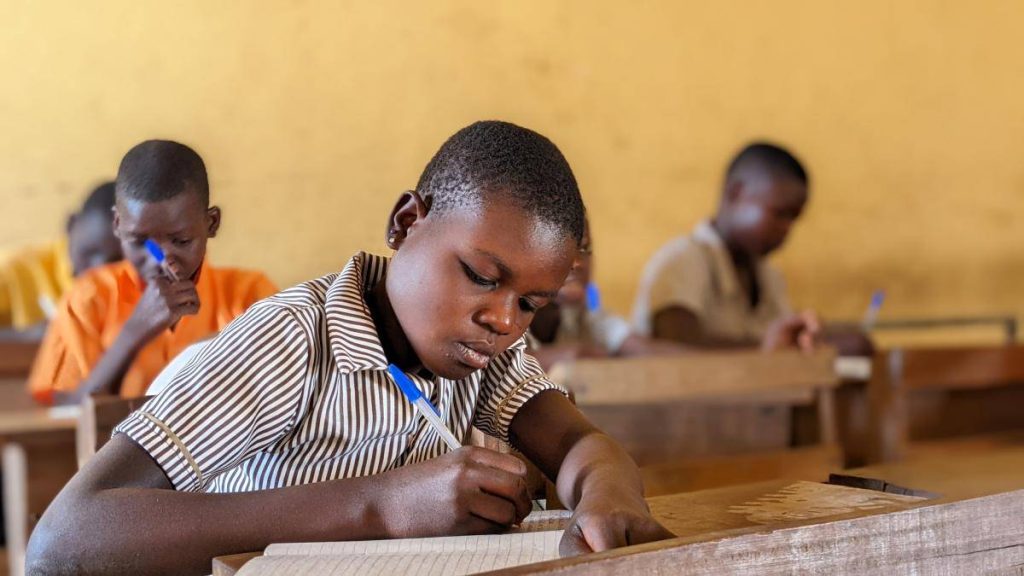
In rural Africa, where poverty, lack of resources, and limited infrastructure prevail, education is the most transformative tool to create lasting change. It’s more than just classrooms and books. It’s a beacon of hope, a pathway out of poverty, and a foundation for sustainable development. Here’s why education holds the key to unlocking potential and transforming rural Africa: 1. Breaking the Cycle of Poverty Education equips children with the skills and knowledge to secure better opportunities. A child who receives an education is more likely to get a stable job, support their family, and contribute to their community, breaking the cycle of poverty for generations to come. 2. Empowering Women and Girls In many rural communities, girls are often denied access to education. Yet, educating girls has proven to be one of the most effective ways to drive social and economic progress. An educated girl is more likely to delay marriage, have healthier children, and invest in her family’s future, creating a ripple effect of positive change. 3. Building Stronger Communities Education fosters critical thinking, problem-solving, and leadership skills. These are essential for addressing local challenges, improving agricultural practices, enhancing healthcare, and driving community-led development. Educated individuals often become the change-makers their communities need. 4. Promoting Equality and Inclusion Access to education levels the playing field, providing every child regardless of their background with the chance to succeed. It promotes tolerance, reduces inequalities, and fosters a sense of unity and collaboration among diverse groups. 5. Driving Economic Growth Education is the backbone of economic development. Skilled workers drive innovation and attract investment, boosting local economies. By investing in education, rural communities can build sustainable livelihoods and reduce dependence on external aid. How You Can Support Education in Rural Africa At READ Foundation, education is the key to transforming lives. Through our initiatives, we provide children in rural areas with access to quality education, essential resources, and the tools they need to succeed. Here’s how you can help: Donate: Every contribution helps us build schools, provide supplies, and train teachers. Education: A Catalyst for Change The future of rural Africa lies in the hands of its children, and education is the most powerful tool we have to empower them. Together, we can ensure that every child, no matter where they are born, has the opportunity to learn, grow, and thrive. Be part of the change today. Visit https://readfoundation.global/ to learn more about how you can support our mission. Let’s invest in education and unlock the potential of rural Africa—one child, one classroom, one community at a time.
5 Ways You Can Be Part of Africa’s Education Revolution
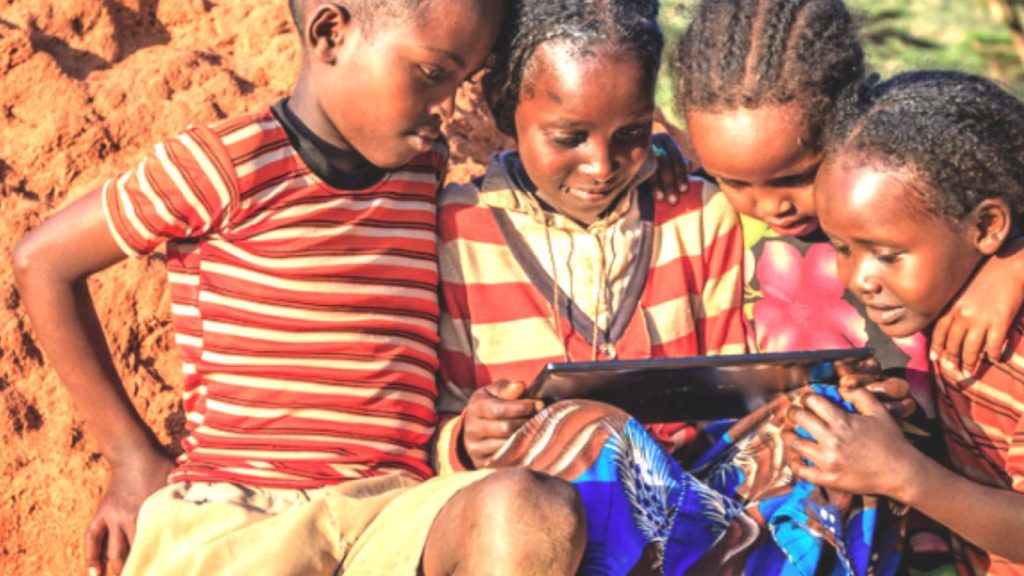
Education is the cornerstone of progress, yet millions of children in Africa still lack access to quality learning opportunities. The good news? You can help transform this reality and be a vital part of Africa’s education revolution. Whether through your time, resources, or advocacy, your contributions can make a lasting impact. Here are five simple but powerful ways to join this movement: 1. Donate to Support Education Projects Every contribution, big or small, helps to build schools, provide learning materials, and ensure children have access to quality education. By donating to organizations like READ Foundation, you’re investing in the future of children who might otherwise miss out on an education. Visit readfoundation.global to see how your donations are directly changing lives. 2. Sponsor a Child’s Education A small monthly contribution can cover school fees, uniforms, and supplies for a child in need. Sponsoring a child gives them the tools to succeed academically and break the cycle of poverty for themselves and their families. It’s a direct and personal way to make a difference. 3. Volunteer Your Skills and Time Whether you’re a teacher, tech expert, or simply passionate about making a difference, there are many ways to volunteer. You could teach a skill, help with administrative tasks, or assist in distributing resources to schools. Your time and expertise could inspire and empower children and communities. 4. Donate Educational Resources Have old laptops, books, or school supplies lying around? These items can transform a child’s learning experience. READ Foundation accepts donations of usable technology and learning materials, refurbishing and redistributing them to schools and students in need. Learn how to donate at https://readfoundation.global/. 5. Advocate for Education Use your voice to raise awareness about the challenges children in Africa face when it comes to accessing education. Share posts, write blogs, and engage with your community to highlight the importance of investing in education. The more people know, the stronger the movement becomes. Join the Revolution Today Africa’s education revolution is a shared responsibility; there’s no better time to get involved. Together, we can ensure that every child has the opportunity to learn, grow, and achieve their dreams. Donate, volunteer, or share this message by taking one small step. Visit https://readfoundation.global/ to learn more and become part of the solution. Education is the key to unlocking potential, and with your help, we can open the door to a brighter future for millions of children. Join the revolution today!